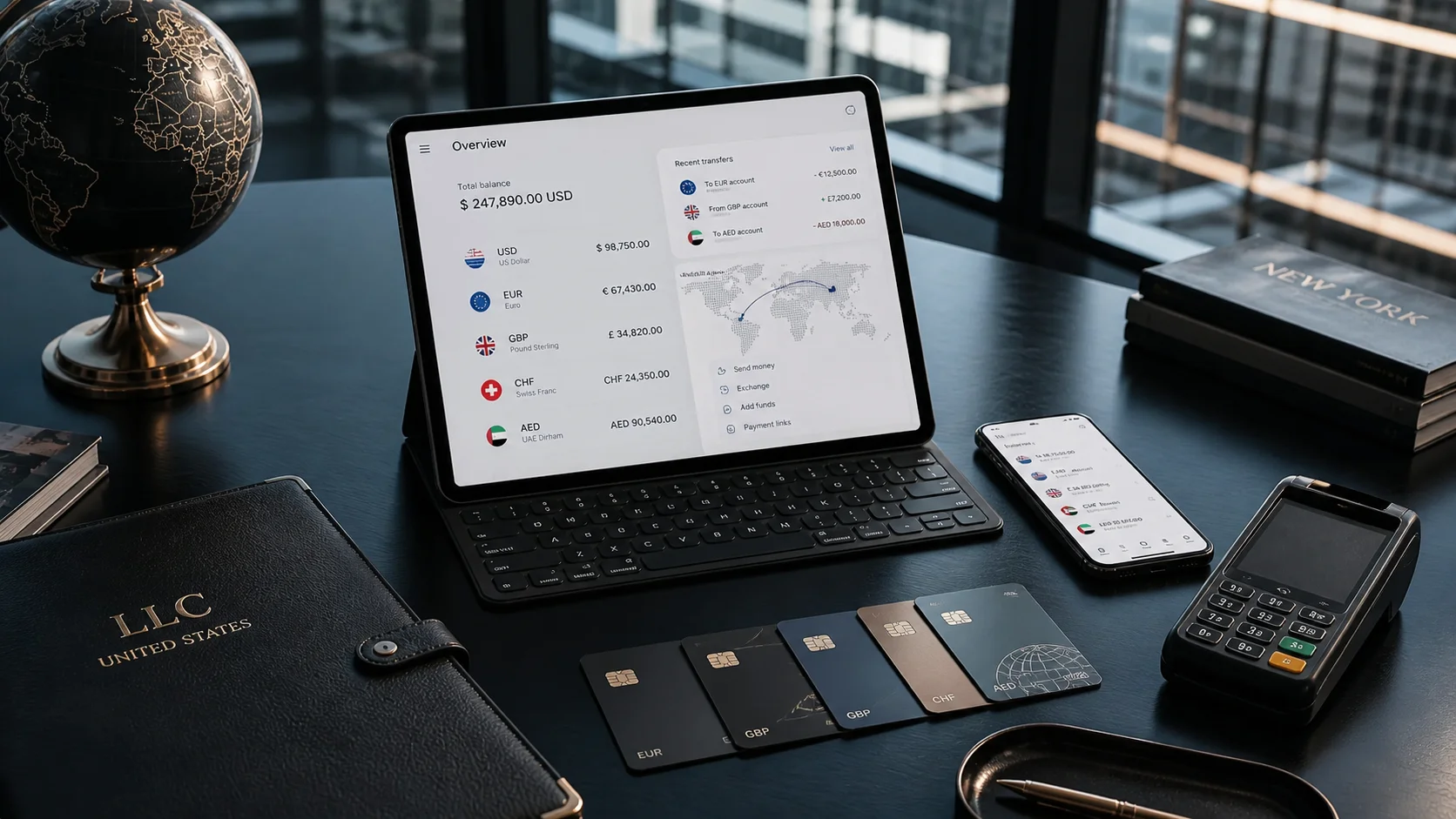
Most non-resident LLC owners stop at the Mercury account. The LLC bills clients, the money lands, the founder transfers it to their home-country account at the end of the month, and that's it. The US side of the setup is treated as a billing rail and nothing more.
That's leaving a lot on the table.
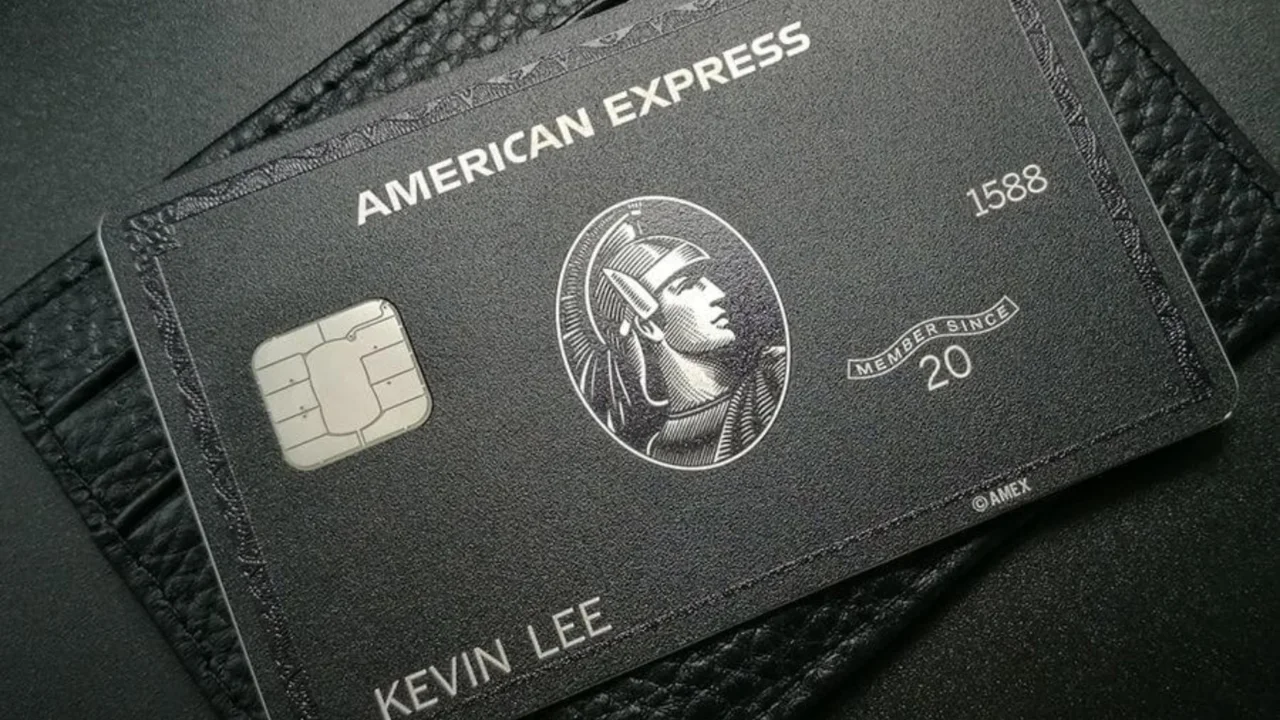
The piece almost everyone skips is the ITIN — the personal-side counterpart to the LLC. With an ITIN, the same founder who today uses a French or UK debit card to run the company starts spending through US Amex products, earning US-tier rewards, and building a US credit score that opens a parallel financial system. None of that makes them a US tax resident. None of it changes where they owe tax. It's pure asymmetry, and it costs almost nothing to set up.
This article is about what the ITIN actually unlocks. The administrative side (the W-7, the Certified Acceptance Agent, the IRS paperwork) is what we handle at Leasum. The interesting part is what becomes possible the day it lands.
Why this matters for an LLC owner specifically
A US LLC already exists. It bills clients, pays vendors, and runs a Stripe account. Today, most of those expenses go on a European debit card, or directly out of Mercury — which earns no rewards, builds no history, and creates no leverage.
With an ITIN, the founder can hold a personal US Amex (or a US LLC-side Business Amex) and run those same expenses through it. The expenses are still business expenses, still booked to the LLC, still deductible the same way. The difference is what the card earns on top of the spend.
Concretely:
- Ads spend on Meta, Google, TikTok — typically the single biggest line item for a SaaS or e-commerce LLC.
- Cloud bills: AWS, Vercel, Render, Cloudflare.
- Tooling: Cursor, Claude Code, Linear, Figma, ChatGPT Team, the rest of the modern stack.
- SaaS subscriptions the company uses operationally.
For a founder running $5k to $20k a month through the LLC on these categories, the cards do the math for them: the points earned over twelve months are the equivalent of a free business-class round trip somewhere worth going, every year, without changing a single line in the budget.
Why US Amex specifically
Amex outside the US is a Visa/Mastercard with a different logo. Amex inside the US is a different product entirely.
A few asymmetries worth knowing:
- Welcome offers are denominated in points, not euros. US Amex Platinum and Business Platinum routinely run welcome bonuses of 150,000 to 250,000 Membership Rewards points after a few months of qualifying spend. That single sign-up bonus is worth around two business-class long-haul tickets. European Amex bonuses are an order of magnitude smaller.
- Earn rates are higher. US Amex Business Platinum gives 5x points on flights and prepaid hotels through the Amex travel portal, US Amex Gold gives 4x on dining and US groceries. The European equivalents earn 1x to 2x on the same categories.
- The transfer partner network is wider. US Membership Rewards transfer to Air France/KLM, Delta, British Airways, Singapore Airlines, ANA, Qatar, Emirates, and a dozen others — many at 1:1. That's where the real value compounds: a 150,000-point bonus transferred to the right partner becomes a business-class seat that would have cost €7,000+ in cash.
- The credit ecosystem is more aggressive. Chase Sapphire Reserve, Capital One Venture X, Citi Strata Elite — there's a whole tier of premium travel cards that don't exist or aren't competitive in Europe. They stack with the Amex relationship.
The practical upshot: a non-resident LLC owner with a US credit file and a US Amex relationship operates the company's expenses on top of a rewards engine that nobody in Europe has access to. That's the part that's structural, not anecdotal.
What a US credit score actually unlocks
The other thing the ITIN starts is a US credit file. Six to twelve months in, the founder has a real US FICO score. A couple of years in, it's typically in the high range — because non-resident LLC owners tend to have low utilization, no missed payments, and clean reporting.
That credit file has practical consequences most non-residents underestimate:
- Better Amex approval odds and higher limits. Once a US file shows two or three accounts in good standing, premium cards stop being a coin flip.
- 0% intro APR offers. US issuers routinely offer 12 to 21 months at 0% on new cards. For a founder making a one-off purchase (gear, ads push for a launch, inventory for an e-commerce play), that's free working capital.
- US auto financing without a US co-signer. Relevant the day someone wants to base part of the year in the US.
- US mortgage eligibility down the road. Non-residents can get US mortgages without a credit file, but the rates are punitive. With a credit file, they're standard.
- Standard checking and savings products without branch-only friction. The same banks that require an in-person branch visit to open an ITIN account treat the same person as a normal customer six months later when the file exists.
Each of these individually is minor. Stacked, they amount to operating inside the US financial system on the same footing as a US citizen, while remaining tax resident elsewhere.
What about US tax?
This is the question that stops most people from pursuing the ITIN. The answer is short: none of this makes you a US tax resident.
US tax residency for individuals is defined by two tests:
- US citizenship or green card status, or
- The Substantial Presence Test — a weighted day count that roughly amounts to spending 183 days or more in the US averaged across the current and two prior years.
If neither applies, you're a non-resident alien for US tax purposes regardless of how many US accounts, ITINs, or US Amex cards you hold. The LLC's Form 5472 is an information return, not a tax return — zero US tax owed in the typical case where the LLC serves non-US clients and has no US trade or business or permanent establishment.
The ITIN exists to let the IRS link a foreign owner to their US filing obligations. It's the receipt for being a compliant non-resident, not a step toward becoming a US person. The asymmetry — full operational access to the US financial system, no change in where you owe tax — is the entire point.
The setup, in one paragraph
For someone who already runs a US LLC: the ITIN is filed via Form W-7, either by mail or (cleaner) through a Certified Acceptance Agent who verifies the passport on the spot so the original never leaves your hands. The justification is the LLC's existing 5472 filing obligation. Once the ITIN letter lands, the major US banks open personal accounts in person, secured cards get the credit file started, and after twelve to eighteen months the premium Amex and Chase products come into reach. If the founder already holds an Amex in another country, Amex's Global Card Transfer program collapses that timeline to a few weeks — foreign Amex history transfers directly into a US Amex application.
That's the procedural side. It's not hard. It's just paperwork that has to be done correctly and timed against the LLC's tax filings, which is why most founders never get to it.
Common mistakes
A few patterns worth flagging:
- Faking a US address. Using an address that isn't really yours creates KYC risk and gets flagged downstream. A real mail forwarding service with a genuine US street address (not a PO Box) is the clean answer.
- Letting the 5472 lapse. The ITIN's underlying justification is the LLC's filing obligation. Skipping the 5472 doesn't just trigger a $25,000 IRS penalty per missed filing — it also weakens the rationale for keeping the ITIN active.
- Mixing personal and LLC accounts. The personal ITIN account is yours. The LLC's Mercury or Relay is the LLC's. Mixing funds is the textbook way to lose the liability protection the LLC was set up to provide.
- Applying for premium cards too early. Amex Platinum or Chase Sapphire Reserve applications in month three of a US file get declined and leave hard inquiries on the report. Build the foundation, then apply.
Conclusion
The LLC by itself is a billing entity. The LLC plus an ITIN is a full position inside the US financial system: rewards-earning company spend, US credit, premium Amex products, and downstream access to US-resident-grade financial products — without crossing into US tax residence.
The reason most non-resident founders never get there isn't that it's hard. It's that the paperwork sits across IRS forms, branch-specific bank policies, and a credit-building sequence that has to be done in the right order. By the time someone figures out the right sequence, they've usually missed eighteen months of points earnings and a credit file head start.
At Leasum, the ITIN is part of the LLC engagement, or a standalone if the LLC is already running. We file the W-7 through a Certified Acceptance Agent — passport stays in your hands — and pair it with the LLC's annual filings so the justification holds clean year over year. From there, the playbook for opening the first US personal account, getting the secured card, and triggering the foreign-Amex transfer is something we run with clients in the months that follow.
The ITIN is the single highest-leverage thing a non-resident LLC owner can add to their setup. It pays for itself the first time the points fund a trip.