Holding crypto is easy. Spending it in the real world — for groceries, subscriptions, or a flight — is where most people hit friction. The usual route runs through a centralized exchange and a full identity check. For founders and globally mobile entrepreneurs who value privacy, that's not always the trade-off they want to make.
A growing set of services now bridge self-custodied crypto and day-to-day payments without demanding identity verification. Here's how they work, what they cost, and where staying compliant is still the smarter move.
What "no-KYC" actually means
KYC — Know Your Customer — is the identity-verification process regulated financial platforms run before letting you transact: passport, proof of address, sometimes a selfie. No-KYC services skip or minimize that step, letting you load crypto and spend it with little to no personal data attached.
That privacy is real, but it isn't free — and it isn't a substitute for proper tax and legal structuring. More on that below.
Three ways to spend crypto without KYC
Pin2Pay — spending inside Telegram
Pin2Pay lives entirely inside Telegram as a bot. There's no separate app to download and no account to create — if you already live on Telegram, the friction is close to zero. It's a natural fit for crypto-native communities that transact and coordinate on the platform already.
BingCard — virtual and physical debit cards
BingCard issues virtual and physical debit cards funded directly with crypto, on a no-KYC model. Virtual cards are available instantly for online payments, and physical cards work at point-of-sale terminals worldwide. That makes it practical for recurring subscriptions and travel — the two places founders most often want a card that "just works" abroad.
Laso Finance — stablecoins into prepaid and gift cards
Laso Finance converts stablecoins — USDC, USDT, and DAI — into prepaid and gift cards. It supports multiple chains, including Ethereum and Solana, and ships a streamlined iOS app. If your treasury sits in stablecoins, it's one of the cleaner paths from balance to checkout.
The trade-off: privacy costs money
Privacy comes at a cost — literally. No-KYC services generally charge higher issuing and transaction fees than their KYC-compliant counterparts. Platforms like Nexo or Trustee, which do verify identity, can offer more competitive rates and cashback because compliance unlocks better banking rails behind the scenes.
So the real question isn't "no-KYC or KYC?" in the abstract — it's how much you're willing to pay for privacy on a given transaction, and whether the amounts involved justify it.
Worth a look: Ready.co
For those who want self-custody without going fully off-grid, Ready.co offers a self-custody Mastercard with up to 3% cashback and 0% foreign-exchange fees, while keeping you in control of your USDC. It's a useful middle ground: you keep custody of your funds, but still get the rates and acceptance of a mainstream card network.
The bigger picture: spending vs. structure
No-KYC tools solve a narrow problem — moving crypto into everyday spending with minimal data exposure. What they don't solve is the question underneath it: where do you, and your money, actually live for tax and legal purposes?
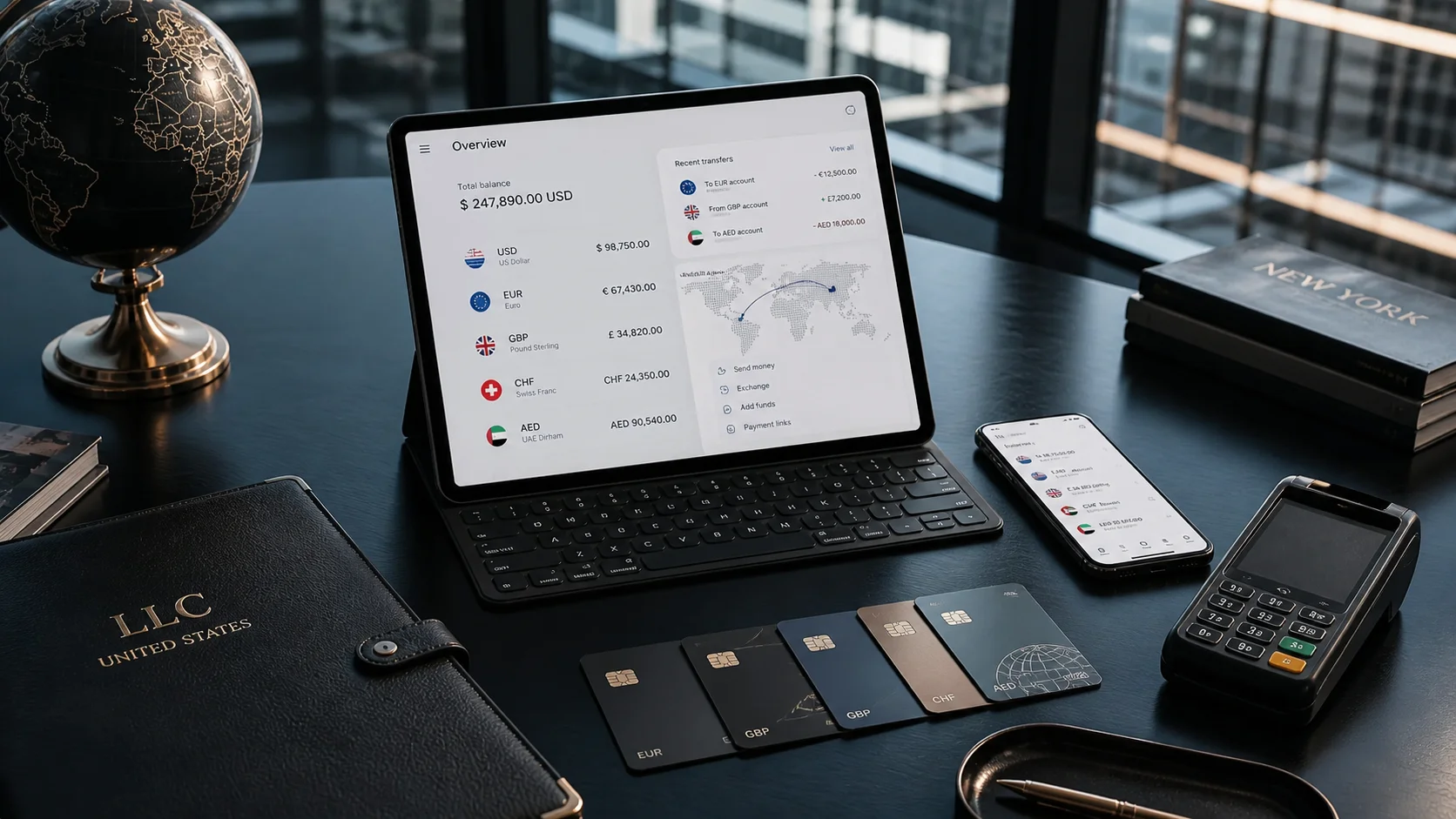
A privacy-preserving card doesn't change your tax residency, and it doesn't replace a proper corporate structure. For founders earning in crypto, the durable answer is usually structural — the right entity in the right jurisdiction, a residency that matches where you genuinely spend your time, and banking that's built for cross-border life. That's where real, lasting efficiency comes from, not from routing around verification one transaction at a time.
At Leasum, that's exactly the layer we help with: incorporation, residency, and banking designed for globally mobile entrepreneurs — including those whose income starts on-chain. If you're spending crypto without KYC because the conventional system doesn't fit your life, it may be worth fixing the structure, not just the checkout.