Not every entrepreneur building a Plan B is planning to leave tomorrow. Most are doing the opposite — they still live, work, and enjoy Europe. But the calculus has shifted. War in Ukraine, energy instability, wealth taxes back on the political agenda in multiple EU countries, capital controls floated more openly than at any time in recent memory. A Plan B is no longer a fringe idea from crypto libertarians; it's prudent risk management.
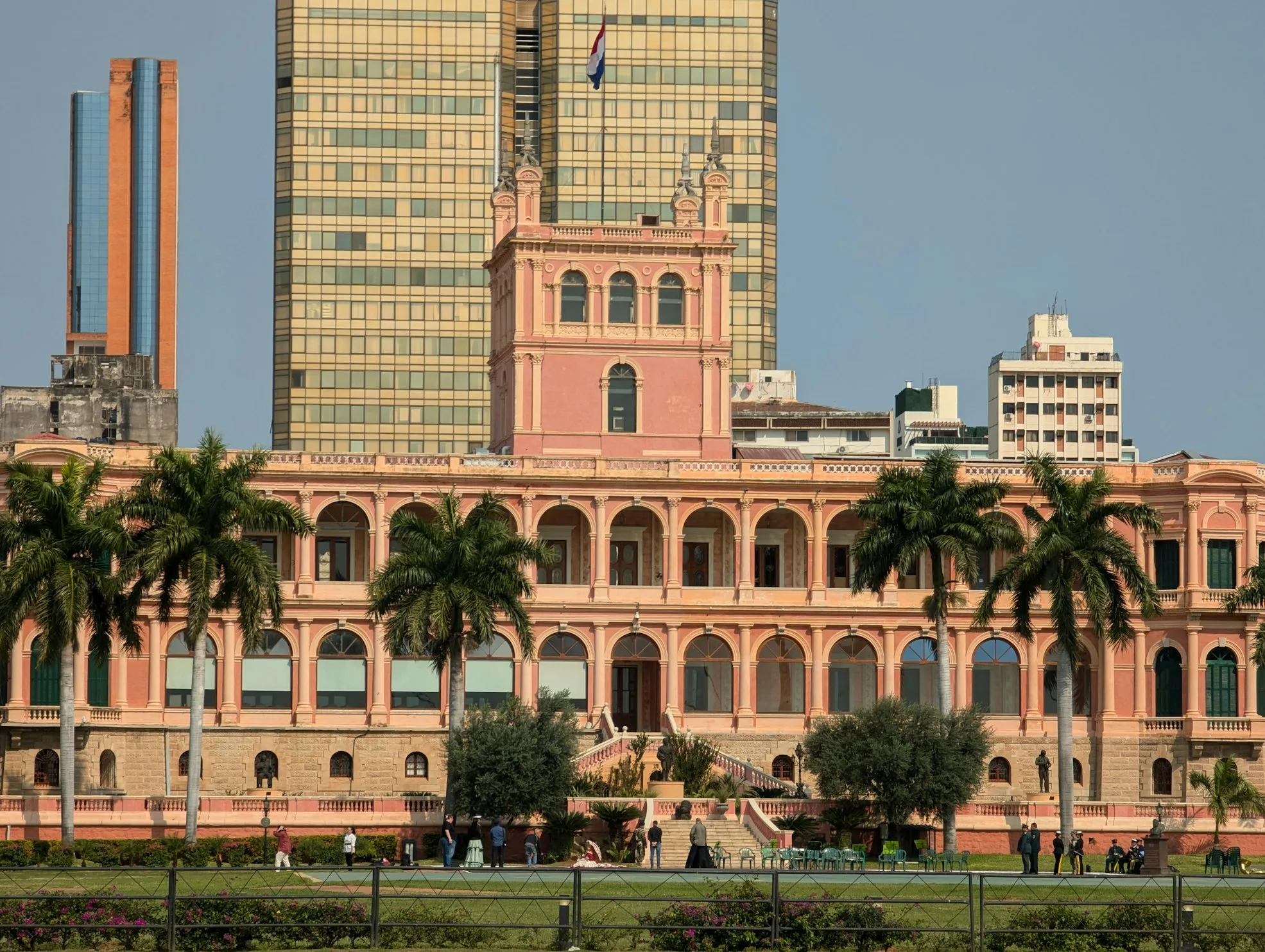
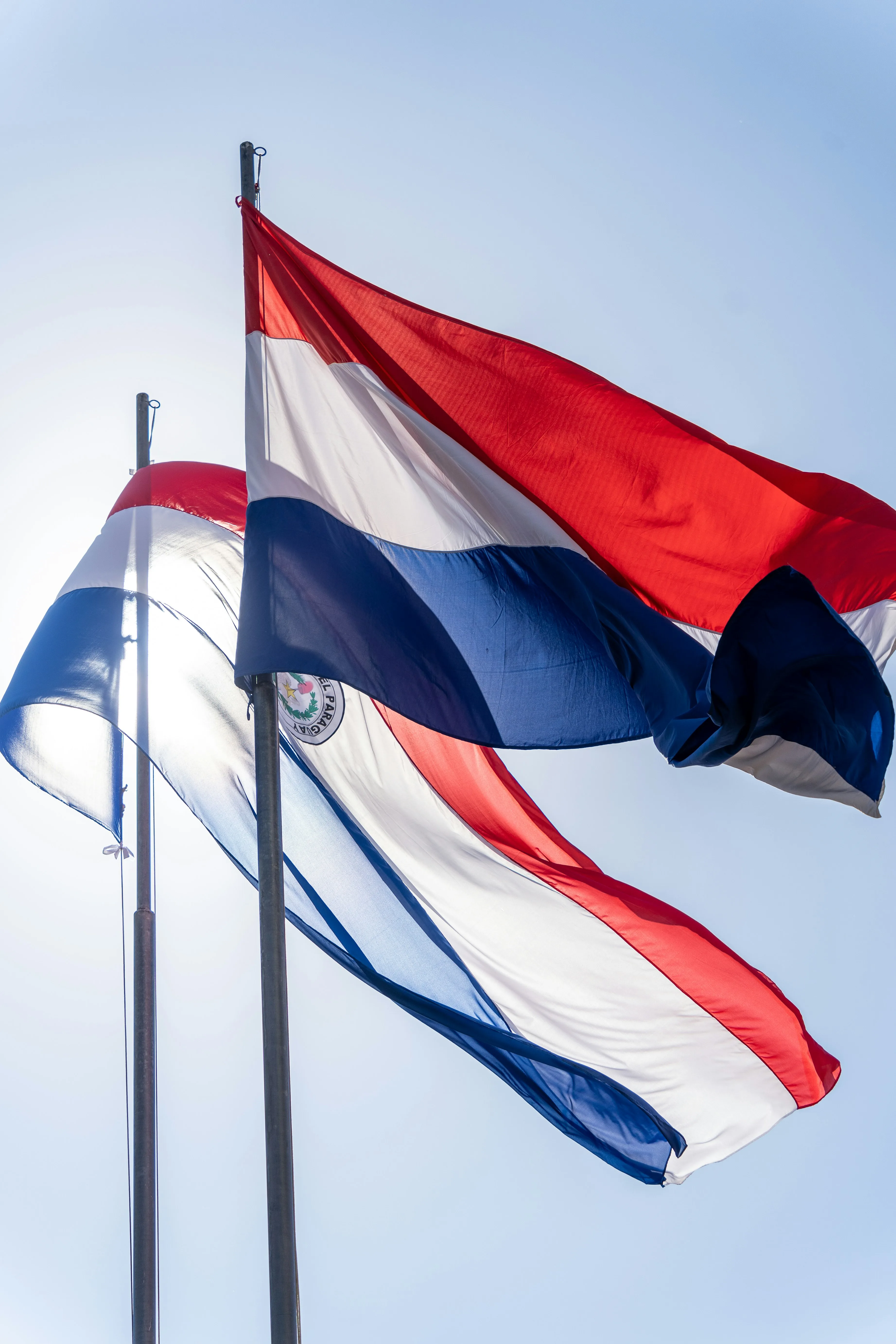
And increasingly, that Plan B runs through Paraguay.
What Exactly Is a Plan B?
A Plan B is the legal, tested ability to leave your home country quickly if conditions deteriorate — financially, politically, or personally. It's not a fantasy or a tax optimization. It's insurance.
A real Plan B typically includes:
- A second residency (or full citizenship) in a stable jurisdiction
- Banking outside your home country's reach
- An identity document that doesn't depend on your home government (a second passport or national ID)
- A place you've actually visited and where you can realistically live
Collecting brochures isn't enough. You need paperwork in hand.
Why the Urgency in 2026?
The signals pushing entrepreneurs toward Plan B planning have compounded:
- Geopolitical instability — Europe is managing a land war on its eastern border with no clear resolution
- Capital controls — serious proposals in several EU countries to restrict outbound capital flow "in case of emergency"
- Wealth tax revival — Norway's wealth tax exodus made headlines; France, Spain, Germany are watching
- Digital asset regulation — MiCA and beyond are tightening the vise on crypto held or moved through EU entities
- Exit tax expansions — several countries are considering broadening what triggers exit tax
- Banking de-risking — founders with international income are routinely having domestic accounts closed
None of this is catastrophic today. But a Plan B only works if you set it up before you need it. By the time you need it, it's too late.
Why Paraguay Ticks the Boxes
Out of all the possible Plan B jurisdictions, Paraguay has emerged as the quiet favorite of European founders. Not because it's glamorous — because it's practical.
1. Fast Residency (6 Weeks)
Paraguay's permanent residency program is one of the fastest legal pathways to a second jurisdiction. No investment requirement, no extended local visits. Standard documents, a single trip, ~6 weeks. You walk away with a cédula — a Paraguayan national ID that serves as proof of residence.
Compare this to Portugal (6-12 months), Spain (12 months), Malta (3-6 months), or any Golden Visa program ($500k+ investment). Paraguay is an order of magnitude faster and cheaper.
2. Territorial Taxation
Once you're a Paraguayan tax resident, only Paraguay-sourced income is taxed. Everything earned abroad is outside the tax net. For a Plan B scenario — where you may or may not actually move — this is essential. You're not forced to migrate all your affairs to make it work.
3. Political Stability
Paraguay has had peaceful democratic transitions for decades. It's landlocked, neutral, and largely absent from the geopolitical headlines. It doesn't pick sides in NATO-Russia tensions. It isn't in the EU, the OECD tax drama, or BRICS. It's a quiet country that minds its own business — which is exactly what you want from a Plan B.
4. No CRS Reporting (For Paraguayan Residents)
Paraguay participates selectively in the Common Reporting Standard. If you're a Paraguayan tax resident with accounts in Paraguay, that information isn't routinely shared with other governments. For an EU citizen whose home country aggressively pursues offshore accounts, this matters.
5. Inexpensive to Maintain
Most Plan B jurisdictions become expensive to keep. Paraguayan residency has minimal ongoing costs. No annual renewal fees, no mandatory minimum stays that cost you flights every year. You activate it, you have it, it stays valid.
6. Path to Citizenship
After 3 years of permanent residency, you can apply for Paraguayan citizenship, which opens visa-free access to Mercosur, most of Latin America, and many European countries. A Paraguayan passport isn't a premium travel document, but it's a genuine second citizenship — not dependent on your home government.
What a Paraguay Plan B Looks Like
A realistic Plan B through Paraguay for a European founder:
Year 0: Obtain Paraguayan residency. Open a Paraguayan bank account. Keep living in Europe. Total cost: ~$3-5k and one trip to Asunción.
Year 1-3: Visit occasionally (120+ days/year if you want to activate tax residency; otherwise just maintain presence). Keep documents current.
Year 3+: Option to apply for citizenship. At this point you have a fully legal dual-jurisdiction status.
If conditions deteriorate at home: You already have residency, a bank account, an ID. You can be on the ground within 48 hours with everything already in place.
Strategic Benefits Beyond Tax
A lot of Plan B conversations focus on tax. But for many entrepreneurs, the real value is something else:
- Optionality: knowing you can leave changes how you negotiate with your own country
- Capital mobility: being able to move money through non-EU banking rails
- Family hedge: if things go badly, your kids have a jurisdiction to fall back on
- Mental space: the quiet confidence of having a fallback affects every other decision you make
Getting Started
The barrier to setting up a Paraguay Plan B is lower than most people assume. The paperwork is standard, the timeline is short, the cost is modest relative to what you're hedging against.
At Leasum, we handle the full Paraguayan residency process end-to-end. We don't sell fantasy jurisdictions or six-figure Golden Visas. We set up the pragmatic, tested, fast Plan B that European founders are quietly building right now.
If you've been thinking about it, 2026 is a reasonable year to move. Waiting until you need it is too late.